
What type of stream do you want to host?
Radio Stream (Coming Soon)
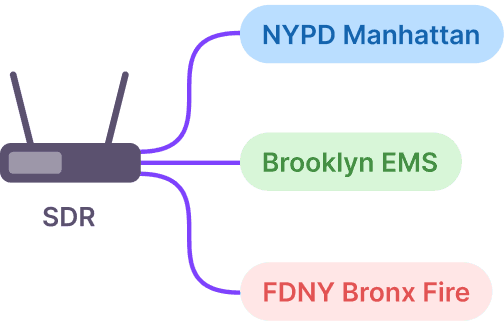
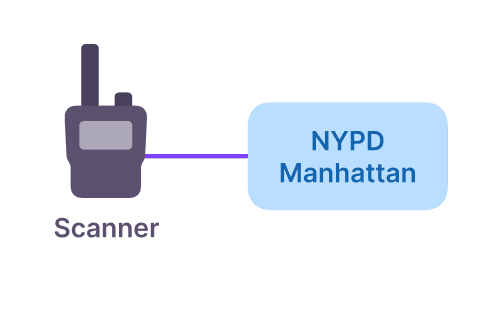
Select this if you want to set up a stream from a scanner. This allows you to host a single radio stream from your setup. While easier to set up, you're only able to stream one frequency at a time.

Frequently Asked Questions
What is SirenStream?
SirenStream is a free, real-time police scanner and emergency radio streaming platform that lets you listen to live public safety communications from across the United States and the world. Unlike legacy public safety platforms like Broadcastify, SirenStream offers a modern hosting experience with an intuitive interface so you can get started quickly and easily. SirenStream provides powerful analytics tools to help you create the best radio feeds from your trunked systems.
What do I need to become a provider on SirenStream?
To get started with SirenStream, you'll need to have Trunk Recorder already set up and running on your machine. From there it's as simple as pointing it to SirenStream. Easy to follow instructions are provided during the radio setup flow.
What is a trunked system?
In a regular radio system (also known as conventional radio), each group of users (like a team or department) is assigned a dedicated frequency. Only one conversation can happen on that frequency at a time, and if the channel is busy, other users have to wait.
However, in a trunked radio system, multiple groups share a pool of frequencies, and the system dynamically assigns an available frequency to users when they need it. This means a more efficient use of frequencies and less waiting for a free channel.
However, in a trunked radio system, multiple groups share a pool of frequencies, and the system dynamically assigns an available frequency to users when they need it. This means a more efficient use of frequencies and less waiting for a free channel.